Evaluating Pink Chevron Zigzag and Wave Patterns for Digital Design Projects
In the landscape of digital design resources, pattern selection is often treated as a secondary detail. However, for creators in scrapbooking, web design, print media, and interior styling, the choice of background texture significantly influences the perceived quality and emotional tone of a final product. Among the myriad of available textures, Pink Chevron Zigzag and Wave Patterns represent a specific intersection of geometric structure and soft aesthetic appeal. This article provides a detailed evaluation of these digital papers, analyzing their technical specifications, practical applications, and how they compare to broader categories of digital backgrounds.
Understanding whether this specific pattern set aligns with your project requirements involves looking beyond surface-level aesthetics. It requires an assessment of resolution, seamlessness, versatility, and the psychological impact of combining sharp geometric forms with pastel color palettes. By examining the distinct characteristics of these files, designers can make more informed decisions about resource allocation and creative direction.
Defining the Aesthetic: Geometry Meets Softness
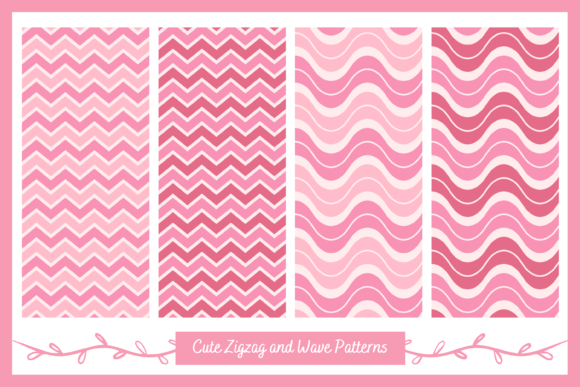
The core identity of Pink Chevron Zigzag and Wave Patterns lies in its duality. On one hand, it utilizes classic geometric motifs—chevrons and zigzags—that are traditionally associated with boldness, movement, and retro-modern styles. On the other hand, the application of a cherry blossom pink hue softens these sharp angles, creating a visual experience that is both dynamic and gentle. This combination is particularly effective in designs targeting audiences who appreciate modern minimalism but require a touch of warmth or femininity without resorting to cliché floral imagery.
Unlike solid color backgrounds that offer neutrality, or complex photographic textures that demand attention, these patterns occupy a middle ground. They provide visual interest through repetition and rhythm without overwhelming the primary content placed on top of them. The wave elements introduce fluidity, contrasting with the rigid lines of the chevron shapes. This interplay between straight and curved lines adds depth to the design, making it suitable for projects that need to feel structured yet approachable.
Technical Specifications and Quality Assurance
When evaluating digital assets, technical fidelity is just as critical as visual style. The specifications provided for this collection indicate a high standard of production quality. Receiving a .zip file containing four distinct PNG files ensures ease of organization and immediate accessibility for various software platforms. However, the true value proposition rests on the resolution and dimensions.
- High Resolution (300 dpi): This density is the industry standard for professional printing. Whether the user intends to create physical greeting cards, scrapbook pages, or large-format banners, 300 dpi ensures that the edges of the zigzags remain crisp and free from pixelation. Lower-resolution alternatives often suffer from jagged edges when scaled up, detracting from the clean look of geometric patterns.
- Large Dimensions (3600 x 3600 pixels or greater): These dimensions provide ample canvas size for high-quality prints. For context, a 3600-pixel square at 300 dpi yields a printable area of 12 x 12 inches, which is the standard size for scrapbooking paper. This allows designers to crop or scale the image down for smaller items like gift tags while maintaining integrity, or use it as-is for larger formats.
- PNG Format: Portable Network Graphics support transparency and lossless compression. While these specific papers are described as seamless patterns, the PNG format ensures that color accuracy is preserved without the artifacts often seen in JPEG compression. This is crucial for maintaining the subtle nuances of the cherry blossom pink shade.
Seamlessness and Endless Repetition
A defining feature of this pattern set is its classification as "Seamless" and "Endless." In digital design, a seamless pattern tiles perfectly horizontally and vertically without visible breaks or misalignments. This capability expands the utility of the asset far beyond a static image. Designers can stretch the pattern to fill any screen size for website headers, email newsletters, or digital wallpapers without worrying about awkward borders or repeating seams that draw the eye away from the content.
This characteristic is particularly advantageous for users who do not have advanced skills in graphic design software. Because the pattern repeats flawlessly, it can be applied in simple tools like Microsoft Word, Canva, or basic photo editors by simply setting the image as a tiled background. For professional designers, it allows for the creation of continuous textures for fabric printing, wallpaper design, or packaging materials where the pattern must flow uninterrupted across large surfaces.
Comparative Analysis: Alternatives and Use Cases
To determine if Pink Chevron Zigzag and Wave Patterns is the right choice, it is helpful to compare it with alternative design approaches. Designers often face a triage decision between using solid colors, photographic textures, or abstract patterns. Each has distinct tradeoffs regarding versatility, focus, and mood.
Versus Solid Color Backgrounds
Solid colors are the most versatile option for text-heavy documents because they provide maximum contrast and readability. However, they can appear flat or boring in visual-centric projects. Using a Pink Chevron Zigzag and Wave Patterns background adds texture and personality that a solid block of pink cannot achieve. The tradeoff is that the pattern introduces visual noise, so it is less suitable for dense blocks of text unless the text is contained within opaque boxes or overlays. For project titles, headers, or decorative elements, the pattern offers a superior aesthetic return compared to a flat color.
Versus Complex Photographic Textures
Photographic textures, such as wood grain, marble, or watercolor splashes, offer realism and organic feel. However, they often compete with foreground elements for attention. A busy photo background can make logos or photos placed on top difficult to see. Geometric patterns like chevrons and waves are more controlled and predictable. They guide the eye in a specific direction rather than scattering it randomly. If the goal is to highlight a central subject, such as a portrait in a digital scrapbook page, the structured nature of the chevron pattern provides a supportive frame without overpowering the main image.
Versus Other Geometric Patterns
Not all geometric patterns are created equal. Stripes can feel too corporate or rigid, while polka dots may skew heavily toward childish themes. The combination of zigzags and waves strikes a balance. It retains the modern appeal of geometry while the pink hue and wave integration prevent it from feeling too harsh. When comparing this to other geometric options, the key differentiator is the emotional tone. This specific palette evokes spring, renewal, and softness, making it ideal for events like baby showers, bridal showers, or spring-themed marketing campaigns, whereas black-and-white geometric patterns might be better suited for tech or fashion industries.
Practical Applications and Best-Fit Scenarios
The versatility of these digital papers allows for a wide range of applications. Understanding where these assets shine helps in deciding whether to include them in a digital asset library.
- Digital Scrapbooking and Journaling: For hobbyists documenting life events, these patterns serve as excellent base layers. The 12x12 inch resolution fits standard digital scrapbook layouts. The cherry blossom pink theme is particularly popular for documenting births, weddings, and seasonal changes.
- Print-on-Demand Products: Artists selling on platforms like Etsy or Redbubble can use these seamless patterns for phone cases, tote bags, and notebooks. The high resolution ensures that the product looks professional, and the trendy geometric style appeals to a broad demographic.
- Event Stationery: Invitations, save-the-dates, and thank-you notes benefit from the elegance of a subtle geometric pattern. The wave element adds a touch of sophistication that elevates the stationery above basic clipart designs.
- Web and Social Media Graphics: Bloggers and social media managers can use these images as headers or story backgrounds. The seamless nature allows for easy resizing, and the bright yet soft color attracts attention in crowded feeds without being aggressive.
Decision Factors: When to Choose This Pattern Set
Selecting Pink Chevron Zigzag and Wave Patterns is appropriate when the project demands a blend of structure and softness. It is the right choice if you need a background that adds visual interest but does not distract from foreground content. It is also an excellent option if you require high-resolution files for both digital display and physical printing, eliminating the need to source separate assets for different mediums.
Conversely, this pattern set may not be the best fit if the project requires a strictly minimalist, monochromatic, or corporate aesthetic. If the design calls for heavy text usage without containers, the pattern might reduce readability. Additionally, if the brand identity relies on earth tones or cool blues, the cherry blossom pink hue would clash with the overall color scheme. In such cases, exploring neutral gray or blue geometric alternatives would be more prudent.
Conclusion on Utility and Value
The value of Pink Chevron Zigzag and Wave Patterns lies in its balanced execution of form and function. It combines technically sound specifications—high DPI, large dimensions, and seamless tiling—with an aesthetically pleasing design that bridges the gap between modern geometry and soft pastels. For designers, crafters, and marketers, these digital papers offer a reliable, high-quality resource that enhances visual communication. By understanding the strengths of this pattern type and comparing it against other design options, users can confidently integrate these assets into their workflows, ensuring that their projects are both visually engaging and professionally executed.