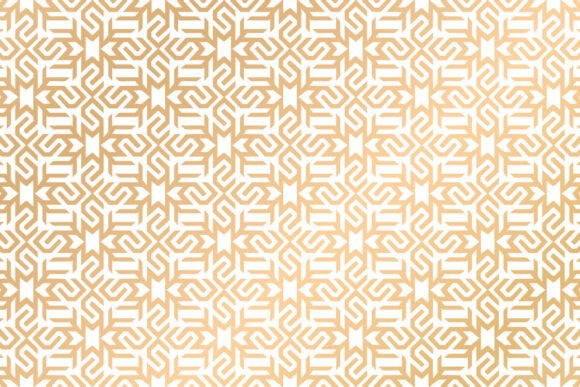
Yellow Geometric Patterns
In the realm of digital design, visual consistency and rapid asset generation are often the bottlenecks that slow down creative workflows. Whether you are a small business owner preparing a seasonal marketing campaign, an educator designing classroom materials, or a hobbyist planning a scrapbook layout, the need for high-quality, versatile background assets is constant. This is where curated collections like Yellow Geometric Patterns become essential tools in your production pipeline. These digital papers offer more than just aesthetic appeal; they provide a structured foundation that streamlines the design process, allowing creators to focus on messaging and strategy rather than spending hours generating basic textures from scratch.
The specific collection described—featuring twenty distinct patterns in various shades of yellow, including polka dots, stripes, squares, circles, triangles, and dots—represents a significant efficiency gain for any project requiring bright, energetic, and clean visuals. Yellow, psychologically associated with optimism, clarity, and attention, is a powerful color choice for driving engagement. When paired with geometric precision, it creates a sense of order and professionalism that works across diverse industries. Understanding how to integrate these 300 dpi, 12” x 12” JPG files into your existing workflow can transform chaotic projects into streamlined successes.
Strategic Integration into Design Workflows
To maximize the utility of these digital papers, it is helpful to view them not merely as decorative elements but as structural components of your design architecture. In a typical creative workflow, background selection is often one of the first steps, setting the tone for typography, imagery, and layout hierarchy. By having a pre-vetted library of twenty cohesive patterns, you eliminate decision fatigue. Instead of browsing through thousands of disparate images, you have a focused palette that ensures brand consistency.
For professionals and entrepreneurs, this consistency is critical. If you are creating social media graphics, email newsletters, or presentation decks, using a unified set of geometric backgrounds helps establish a recognizable visual identity. The variety within the collection—from subtle dot grids to bold stripe arrangements—allows you to differentiate content types while maintaining a cohesive look. For instance, you might use a lighter, sparse dot pattern for informational slides and a bolder, denser triangle pattern for call-to-action headers. This strategic variation keeps the audience engaged without breaking the visual narrative.
Preparation and Compatibility Checks
Before diving into creation, proper preparation ensures that the digital assets function seamlessly within your software of choice. While JPG is a widely compatible format, understanding its limitations is part of efficient workflow management. Unlike PNG or SVG formats, JPGs do not support transparency. This means that when layering these patterns over other elements, you must account for the solid background. However, the high resolution of 300 dpi makes them ideal for both digital display and print-on-demand services, ensuring crisp edges and vibrant colors regardless of the output medium.
Organizing these files is the next logical step. Create a dedicated folder structure labeled by pattern type or intensity (e.g., "Yellow_Geos_Dots," "Yellow_Geos_Stripes"). Tagging files with metadata such as "bright," "pastel," or "bold" allows for quick filtering in design software libraries. This organizational habit pays dividends during peak work periods, reducing the time spent searching for the right texture and increasing overall productivity.
Application Across Diverse Use Cases
The versatility of Yellow Geometric Patterns lies in their ability to adapt to various mediums and purposes. Below are practical examples of how these assets can be deployed across different professional and personal domains.
- Marketing and Branding: Small business owners can use these patterns for digital invitations, event flyers, or product packaging labels. The geometric nature of the designs lends itself well to modern, minimalist branding trends. For example, a bakery might use a polka dot pattern for cupcake wrappers, while a tech startup could use a triangle grid for webinar slide backgrounds.
- Educational Materials: Educators and teachers benefit immensely from visually stimulating yet non-distracting backgrounds. Worksheets, quizzes, and classroom posters require clear readability. Lighter shades of yellow with subtle dot or square patterns provide enough visual interest to keep students engaged without overwhelming the text. These patterns can also be used to create interactive learning cards or bulletin board borders.
- Stationery and Gifting: For those involved in stationery design or gift-giving, these patterns are perfect for creating custom thank-you cards, holiday tags, or party favors. The warm hue of yellow is particularly effective for spring events, birthdays, and celebratory occasions. Label stickers featuring these geometrics can add a professional touch to homemade goods sold at farmers' markets or online shops.
- Digital Presentations: PowerPoint and Keynote presentations often suffer from generic templates. Replacing standard backgrounds with high-quality geometric patterns instantly elevates the perceived value of the presentation. The 12” x 12” dimension is easily scalable for widescreen displays, ensuring that the pattern repeats seamlessly without visible seams or distortion.
Quality Control and Execution Tips
Achieving professional results requires attention to detail in execution. When incorporating these digital papers into your projects, consider the following best practices to maintain quality and consistency.
- Color Harmony: Yellow is a dominant color. To prevent visual fatigue, pair these patterns with complementary or neutral tones. Deep blues, charcoal grays, or crisp whites create strong contrast against yellow, making text and focal points pop. Avoid pairing yellow with other bright, warm colors unless you are aiming for a highly energetic, chaotic aesthetic, which is rarely suitable for professional communication.
- Scale and Repetition: Pay close attention to how the pattern scales. In design software, ensure that the pattern tile is seamless. If you are printing large banners or backdrops, test a small section first to check for alignment issues. The 300 dpi resolution supports this, but improper scaling settings can introduce pixelation.
- Text Legibility: Always prioritize readability. If using a dense pattern like thick stripes or large triangles, place text boxes on solid-colored overlays or use drop shadows to separate the text from the background. Conversely, sparse patterns like light dots allow for direct text placement, offering more flexibility in layout design.
- File Management: Keep backups of your original source files. Since these are JPGs, repeated editing and saving can lead to compression artifacts. Work on copies and save final exports in lossless formats if further editing is anticipated.
Long-Term Value and Scalability
Investing in a comprehensive set of digital assets like this collection offers long-term scalability. As your business or creative practice grows, the demand for consistent, high-quality visuals increases. Having a library of twenty pre-made patterns reduces the recurring cost and time associated with commissioning new artwork or searching for suitable free resources. It allows for batch processing of designs—for example, creating a month’s worth of social media posts in a single session by swapping out different geometric patterns for each day.
Furthermore, these patterns can serve as a foundation for expanding your product line. Educators can bundle these backgrounds with printable activities, selling complete lesson plans. Crafters can use them as base layers for physical prints, adding hand-drawn elements or calligraphy to create unique, personalized products. The key is to view these patterns as modular components in a larger system of content creation.
Conclusion
The integration of Yellow Geometric Patterns into your creative workflow represents a shift from reactive design to proactive asset management. By leveraging twenty high-quality, versatile digital papers, you enhance efficiency, maintain brand consistency, and elevate the visual quality of your outputs. Whether you are crafting educational worksheets, designing marketing materials, or decorating a special event, these patterns provide the structural backbone needed to execute your vision with precision. Embrace the organization and variety they offer, and watch as your production speed and creative confidence grow.