Dainty Pastel Digital Paper Patterns: A Versatile Resource for Creative Projects
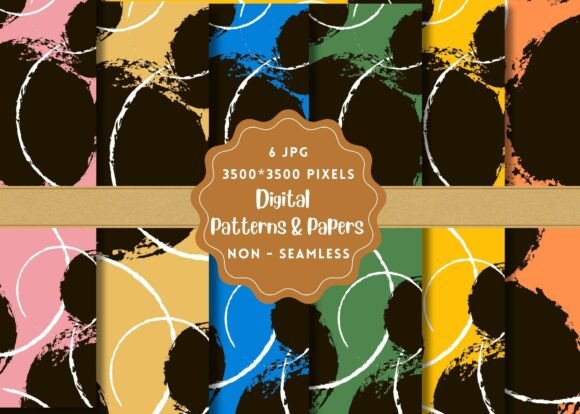
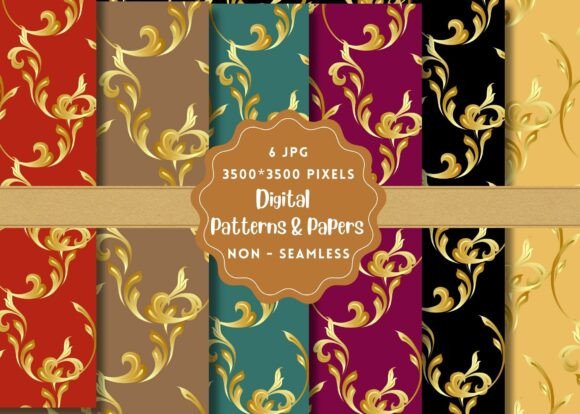
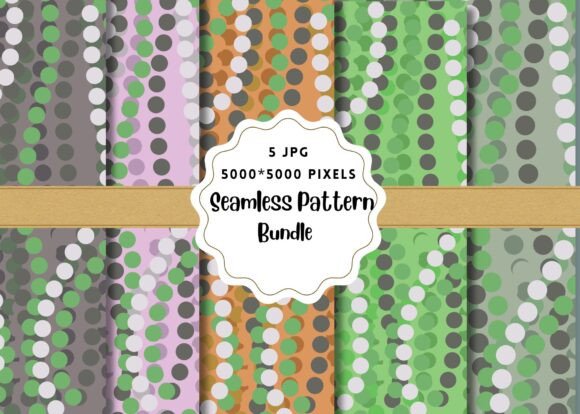
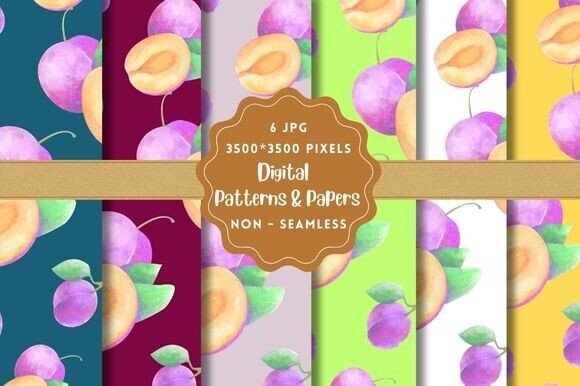
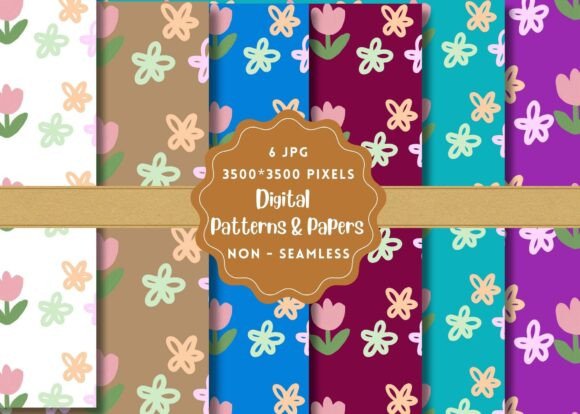
Dainty Pastel Digital Paper Patterns are high-resolution, downloadable images designed to add subtle elegance and charm to a wide range of creative applications. These patterns typically feature soft pastel colors combined with delicate motifs such as florals, polka dots, stripes, or lace-like elements. Each pattern is crafted in JPEG format at 3500x3500 pixels and 300 DPI, ensuring clarity and detail whether used digitally or printed.
What Are Dainty Pastel Digital Paper Patterns?
Dainty Pastel Digital Paper Patterns are essentially digital backgrounds that can be used in various formats. They are ideal for both print and digital media due to their high resolution and versatile design. The inclusion of six different JPG files provides users with multiple options to choose from depending on the project requirements.
These patterns are commonly used by designers, crafters, educators, and businesses involved in print-on-demand services. Their pastel aesthetic makes them particularly popular in projects related to femininity, nostalgia, weddings, baby showers, and other events where a gentle and refined look is desired.
Reasons to Consider Using Dainty Pastel Digital Paper Patterns
- High-quality resolution: At 3500x3500 pixels and 300 DPI, these patterns offer excellent clarity for both digital and physical outputs.
- Versatility: Suitable for use in notebooks, totes, wall art, greeting cards, scrapbooking, posters, gift wrapping, and more.
- Time-saving: Ready-to-use designs eliminate the need for creating custom patterns from scratch, especially useful for those with limited graphic design experience.
- Consistent color palette: The pastel tones provide a soothing and cohesive visual style that’s easy to work with across multiple design elements.
Benefits and Tradeoffs
One of the primary benefits of using Dainty Pastel Digital Paper Patterns is the ease they bring to the creative process. They allow users to focus more on layout and content rather than spending time on background creation. Additionally, the high-resolution format ensures that printed materials retain quality even when enlarged.
However, there are some tradeoffs to consider. While the pastel aesthetic is widely appealing, it may not suit every project or audience. For instance, bold or modern designs might clash with the softer tone of these patterns. Also, if you require a unique or highly customized look, pre-made patterns could limit your creative freedom compared to designing from scratch.
Key Considerations Before Purchase
- Project Type: Determine if your project requires a digital-only template, like social media graphics or website headers, or if it will involve printing (e.g., stationery, gift wraps, or home décor).
- Design Compatibility: Ensure the pastel theme aligns with your brand identity or personal style. If your target audience prefers minimalist or vibrant designs, this product may not be the best fit.
- License Terms: Review the usage rights included with the purchase. Some products allow commercial use while others are restricted to personal projects.
- Quantity and Variety: With six JPG patterns provided, assess whether this selection meets your needs or if you’d prefer a larger library for future flexibility.
When These Patterns Are a Strong Fit
Dainty Pastel Digital Paper Patterns are well-suited for individuals or businesses working in niches that benefit from soft, elegant visuals. This includes:
- Wedding planners or designers creating invitations, programs, or signage.
- Crafters making handmade journals, planners, or scrapbook pages.
- Print-on-demand entrepreneurs offering customizable stationery or gift wrap.
- Graphic designers needing quick, reliable backgrounds for digital templates or web assets.
They also work exceptionally well for educational materials, children's crafts, or any project aiming for a calming and aesthetically pleasing presentation.
When Alternatives Might Be Better
If your work involves bold branding, high-contrast designs, or modern aesthetics, alternatives such as geometric patterns, abstract textures, or monochrome designs may better serve your purpose. Similarly, if you're looking for something that stands out rather than blends subtly, brighter or more intricate patterns could be preferable.
For users who frequently require new or unique designs, investing in a subscription-based design resource platform might be more beneficial. These platforms often offer thousands of patterns and regular updates, which can be more cost-effective over time.
Practical Decision-Making Insights
Before purchasing Dainty Pastel Digital Paper Patterns, ask yourself the following questions:
- Do I need a consistent, soft-toned background across multiple items or designs?
- Will my audience respond positively to pastel colors and dainty motifs?
- Am I looking for an affordable solution without the need for complex customization?
- Can I integrate these patterns into my existing workflow easily?
Additionally, consider testing one or two patterns before committing to a full set. Many creators appreciate seeing how the designs perform in real-world applications before expanding their collection.
Expectations and Usage Tips
Users should expect immediate access to the digital files upon purchase. Since they are in JPEG format, they can be opened in most image editing software such as Photoshop, Canva, or Illustrator. However, keep in mind that JPEG files do not support transparency layers, so additional editing may be necessary for certain uses.
To maximize the value of these patterns, consider layering them beneath text or images to maintain readability. Use them sparingly in large-scale prints to avoid overwhelming the viewer, and always ensure proper sizing for optimal results.
Conclusion
Dainty Pastel Digital Paper Patterns are a practical and stylish choice for many creative endeavors. They offer a refined aesthetic with the technical quality needed for professional applications. However, their suitability depends on your specific design goals, audience preferences, and project scope. By carefully evaluating your needs and considering the pros and cons, you can determine whether these patterns are the right addition to your toolkit.