21 Detailed Patterns: A Powerful Tool for Modern Creativity and Innovation
In today’s fast-paced digital world, professionals across various industries are constantly seeking tools that enhance productivity, creativity, and clarity. One such tool gaining attention is 21 Detailed Patterns. This concept refers to a structured set of 21 repeatable design or workflow frameworks used in creative, business, and technological fields. Whether you're an entrepreneur refining your product roadmap, a marketer optimizing campaigns, or a designer crafting user experiences, understanding and applying these patterns can significantly streamline your process and elevate your outcomes.
What Are the 21 Detailed Patterns?
The term 21 Detailed Patterns originates from methodologies that break down complex systems into digestible components. These patterns represent proven strategies or solutions that have been documented and categorized for easy application. While the exact definitions may vary slightly depending on the industry—such as web development, branding, or content creation—the core idea remains consistent: using time-tested structures to solve recurring problems efficiently.
Examples of Common Patterns
- Content Architecture: Organizing information in a way that enhances readability and engagement.
- User Journey Mapping: Visualizing how users interact with a product or service step by step.
- Brand Voice Consistency: Ensuring messaging aligns with brand identity across all platforms.
- Agile Project Planning: Structuring workflows for iterative progress and continuous feedback.
- Customer Retention Frameworks: Implementing strategies to maintain long-term client relationships.
These patterns are not just theoretical—they are actionable blueprints derived from real-world applications. They help creators avoid reinventing the wheel while ensuring consistency and quality in their outputs.
Why 21 Detailed Patterns Matter Now
As industries evolve and consumer expectations shift, there's a growing need for adaptable yet systematic approaches. The 21 Detailed Patterns framework addresses this demand by providing a balance between structure and flexibility. It allows professionals to leverage existing knowledge without stifling innovation.
Aligning with Industry Trends
Across sectors like technology, marketing, and entrepreneurship, trends increasingly favor data-driven decisions, modular thinking, and cross-functional collaboration. The 21 Detailed Patterns resonate with these shifts because they encourage teams to think in modules, test variations, and refine processes based on feedback loops—all essential aspects of modern agile environments.
For example, in software development, developers use pattern-based coding to improve scalability and reduce errors. In marketing, teams apply behavioral patterns to better understand customer journeys and personalize outreach. In lifestyle and productivity spaces, individuals rely on habit-forming patterns to manage time and energy more effectively.
Changing Needs and Expectations
Professionals today expect tools that are both powerful and intuitive. As work becomes more interdisciplinary, especially in remote and hybrid settings, having a common language through structured patterns is invaluable. The 21 Detailed Patterns offer this shared vocabulary, enabling clearer communication and faster alignment among team members.
Adapting to Digital Transformation
Digital transformation has made it necessary for organizations to rethink traditional workflows. Many businesses now operate in dynamic ecosystems where speed and adaptability are key. The 21 Detailed Patterns provide a scalable solution for navigating this complexity. By embedding these patterns into daily operations, teams can respond to change with greater agility and precision.
Meeting Consumer Demands
Consumers are more informed and selective than ever before. They expect personalized experiences, seamless interactions, and value-driven content. Marketers and designers who utilize the 21 Detailed Patterns can create offerings that are not only visually appealing but also strategically aligned with audience needs. For instance, using pattern-based storytelling techniques helps marketers craft narratives that connect emotionally and logically with diverse audiences.
Practical Applications Across Fields
The versatility of 21 Detailed Patterns makes them applicable to a wide range of scenarios. Let’s explore some practical examples:
Entrepreneurship and Product Development
Startups often face resource constraints and rapidly changing market conditions. Applying patterns like the Lean Startup Model, Minimum Viable Product (MVP), and Feedback Loop Integration can help entrepreneurs validate ideas quickly and pivot when needed. These patterns form part of the broader 21 Detailed Patterns, offering tested methods to reduce risk and increase efficiency.
Creative Design and Branding
Designers and brand strategists benefit from visual and conceptual patterns. Grid systems, typography hierarchies, color theory models, and brand equity frameworks are all subsets of the 21 Detailed Patterns. These elements ensure that designs are not only aesthetically pleasing but also functional and aligned with strategic goals.
Marketing and Content Strategy
Marketers use pattern-based approaches to optimize campaign performance. For example, email marketing templates, SEO content structures, and social media posting calendars are all built upon underlying patterns. When integrated systematically, these patterns help maintain consistency and improve conversion rates across channels.
How to Incorporate 21 Detailed Patterns into Your Workflow
Integrating these patterns doesn’t require a complete overhaul of your current processes. Here are a few steps to get started:
- Identify Key Areas: Determine which parts of your workflow could benefit from a pattern-based approach. Look for repetitive tasks or challenges that arise frequently.
- Map Existing Practices: Document your current methods and compare them to established patterns. This comparison will reveal gaps and opportunities for improvement.
- Implement Gradually: Introduce one or two patterns at a time. Test their effectiveness within your context and adjust as needed.
- Track and Refine: Use analytics and user feedback to assess the impact of each pattern. Over time, refine and replace patterns based on performance metrics.
A Real-World Example
Consider a freelance web designer working with multiple clients. By adopting the 21 Detailed Patterns, the designer might implement a standardized project onboarding process. This includes a discovery phase checklist, mood board templates, and timeline frameworks. As a result, the designer saves time, improves client satisfaction, and maintains a higher level of professionalism across projects.
Connecting 21 Detailed Patterns to Larger Developments
The rise of AI and automation has changed how we approach problem-solving and creativity. Tools like generative design algorithms and chatbots rely on pattern recognition to function effectively. Understanding and leveraging the 21 Detailed Patterns positions professionals to work alongside these technologies rather than against them.
Pattern Recognition and AI
AI systems thrive on patterns. Whether it’s predicting user behavior or generating content, these algorithms depend on historical data and known structures. When humans apply the same principles through the 21 Detailed Patterns, they create environments where AI can add maximum value. This synergy is crucial for staying competitive in an increasingly automated landscape.
Remote Work and Collaboration
With remote work becoming the norm, clear documentation and shared frameworks are more important than ever. The 21 Detailed Patterns serve as a foundation for collaborative projects, ensuring that every team member understands the process and can contribute effectively regardless of location.
Why People Are Paying Attention to 21 Detailed Patterns
Several factors explain the growing interest in the 21 Detailed Patterns concept:
- Increased Complexity: Projects today involve more moving parts, requiring structured yet flexible approaches.
- Desire for Efficiency: Professionals want to minimize redundant efforts and maximize results.
- Need for Consistency: Brands and products must maintain a cohesive experience across platforms and touchpoints.
- Collaboration Demands: Remote teams and cross-functional departments need a common methodology to communicate effectively.
- Technological Synergy: As AI and automation become integral, pattern-based thinking enables smoother integration with these tools.
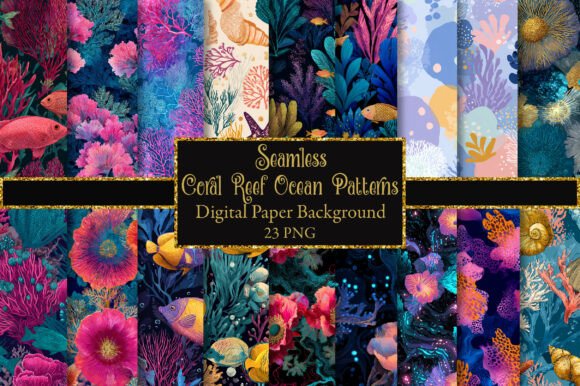
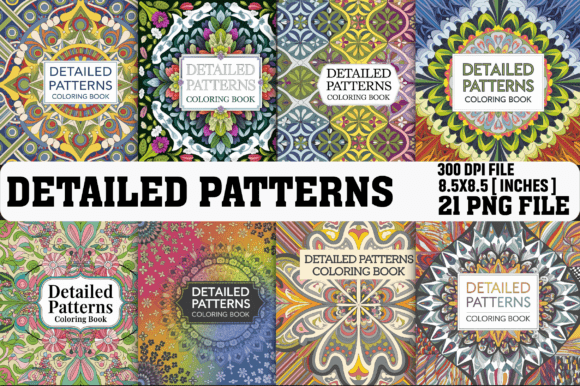
Moreover, the availability of comprehensive resources—like the set of 21 PNG files that illustrate these patterns—makes adoption easier and more accessible. These visuals provide concrete references for abstract concepts, helping practitioners apply them more accurately in their work.
Future Outlook and Strategic Value
As we move further into the digital age, the relevance of pattern-based methodologies like the 21 Detailed Patterns will continue to grow. Industries are shifting toward modular, scalable, and repeatable solutions, making these patterns essential for forward-thinking professionals.
Organizations that invest in learning and implementing these patterns will find themselves better equipped to handle uncertainty, scale operations, and deliver superior results. For individual creators, freelancers, and entrepreneurs, the 21 Detailed Patterns offer a competitive edge by enabling smarter, faster, and more effective decision-making.
Long-Term Benefits
Over time, integrating these patterns leads to:
- Improved workflow efficiency
- Higher-quality output due to standardized best practices
- Greater team alignment and communication
- Enhanced ability to adapt to new tools and technologies
- Stronger brand consistency and customer trust
This cumulative effect underscores why the 21 Detailed Patterns are more than just a passing trend—they are a foundational strategy for sustained success.
Conclusion
The 21 Detailed Patterns represent a structured yet adaptable approach to modern problem-solving. Their relevance spans across creative, business, and technological domains, offering valuable insights for anyone looking to refine their process and stay ahead of the curve. As industries evolve and demands increase, these patterns provide a reliable framework for innovation and growth.
By understanding and applying the 21 Detailed Patterns, professionals can transform their workflows, enhance collaboration, and deliver more impactful results. With the support of detailed visual resources like the provided PNG files, implementing these patterns has never been more straightforward—or more powerful.